
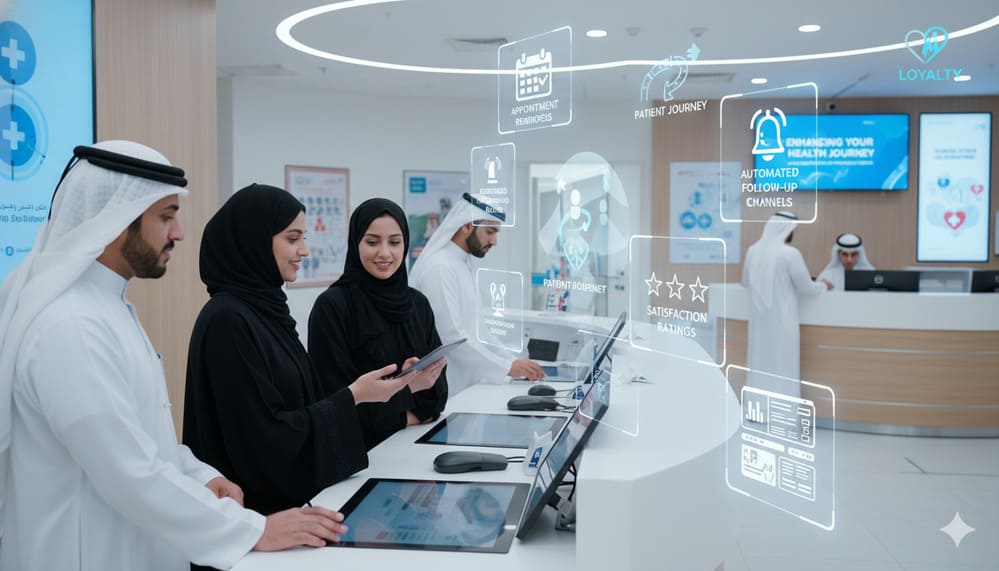
The patient experience is now one of the most powerful predictors of loyalty in modern healthcare. As hospitals and clinics begin to compete not only on medical outcomes but also on the delivery of every interaction, the value of organized, consistent, and personalized communication has never been clearer.
This shift has created a rising need for Healthcare CRM systems. These systems are designed to help providers to understand their patients, to predict their needs, and to provide seamless engagement from the first inquiry to the last follow-up.
In this blog, we explore how Healthcare CRM enhances patient loyalty and experience, the features that matter most, and why leading healthcare organizations are adopting advanced CRM solutions to strengthen trust and improve continuity of care.
The Role of Healthcare CRM in Modern Patient Care
Healthcare CRMs are important tools when it comes to how hospitals and clinics view, communicate with, and ultimately support their patients. While traditional systems simply store clinical information, healthcare CRMs are devoted to managing all of the interactions with patients that affect engagement and satisfaction.
Its role extends across the entire care journey:
- Strengthening Communication: Ensures that reminders, follow-ups, and updates are consistently shared across every department.
- Enhancing Personalization: Uses patient history, preferences, and behavior to tailor interactions and boost satisfaction.
- Supporting Care Coordination: Provides teams with a clear, unified view of patient needs, so they can respond more quickly and effectively.
- Reducing Drop-Offs: Automates outreach to prevent missed appointments or lapses in follow-up care.
- Building Long-Term Loyalty: Engages patients beyond the visit through proactive care, education, and continuous touchpoints.
How Healthcare CRM Enhances Patient Experience
Patient experience goes beyond administrative efficiency; it is also influenced by whether patients feel informed, supported, and valued throughout their experience. Healthcare CRM directly builds these emotional and experiential aspects of the patient’s experience, creating positive relationships and long-term trust.
- Patients Feel Seen and Understood: CRM tailors every message to each patient’s unique history, preferences, and actions, ensuring every conversation feels personal and genuine.
- Clear, Consistent Communication: Timely updates and proactive guidance reduce uncertainty and help patients feel more confident in their care.
- A Predictable, Reassuring Journey: CRM gives patients detailed instructions, ensuring they never feel lost.
- Faster Responses and Smoother Support: Teams can react more rapidly and precisely thanks to centralised information, which reduces delays and repeated questions.
- Stronger Trust and Engagement: When communication feels personal and the journey feels seamless, patients develop trust that strengthens long-term loyalty.
Strengthening Patient Loyalty Through CRM
Patient loyalty tends to increase when patients feel they’re being supported, remembered, and guided every step of the way during their healthcare journey. Healthcare CRM systems are key to building this sense of continuity, helping to foster ongoing, personalized engagement even long after a patient’s appointment is over.
How CRM builds loyalty:
- Automated follow-ups: Ensures every patient receives timely post-visit communication.
- Preventive care reminders: Keeps patients engaged with friendly reminders for appointments and check-ups.
- Personalized outreach: Crafts messages that feel specifically suited to each patient’s needs, health conditions, and past experiences.
- Proactive engagement: Supports chronic care plans and long-term monitoring.
Key Features of an Effective Healthcare CRM System
A healthcare CRM must be more than a contact management tool. It must address real-world healthcare workflows and patient engagement needs.
Essential features include:
- Unified Patient View: A complete 360° profile combining demographic data, communication history, and engagement records.
- Workflow Automation: Automated reminders, follow-ups, and administrative tasks reduce workload and improve consistency.
- Multichannel Engagement: Communicate via SMS, email, WhatsApp, mobile app notifications, and more.
- Feedback & Surveys: Gather patient satisfaction insights in real time.
- Role-Based Dashboards: Custom views for doctors, front-desk staff, call centers, and management.
- Integration with HIS/ERP/RCM: Smooth connection with clinical and administrative systems, including MegaCare, billing, and scheduling platforms.
- Advanced Analytics: Dashboards and KPI insights to continuously improve engagement and experience.
Choosing the Right Healthcare CRM for Your Organization
Choosing a Healthcare CRM is a choice that affects every aspect of the patient experience. To make the best selection, providers should assess each system according to factors that ensure reliability, scalability, and a seamless fit within clinical and administrative workflows.
Key factors healthcare organizations should consider:
- Scalability for Growth: The CRM system should comfortably handle single clinics, multiple hospital sites, and be ready for future growth without slowing down.
- Arabic Language Support: Offering a fully localized interface helps staff members embrace the system more readily and ensures clearer communication with patients.
- Integration Capability: The CRM must connect effortlessly with HIS, ERP, RCM, telemedicine platforms, and appointment systems for a unified experience.
- Customizable Workflows: Every hospital operates differently and your CRM should adapt to your processes.
- User-Friendly Dashboards: Clinicians, administrators, and call center teams all require intuitive dashboards designed specifically for their individual roles.
- Continuous Support & Training: Effective CRM adoption depends on strong onboarding, staff training, and ongoing technical support.
Megamind IT Solutions: Smart CRM for Modern Healthcare
Megamind IT Solutions brings deep healthcare expertise and advanced technology capabilities to deliver CRM solutions tailored to Saudi hospitals, clinics, and healthcare networks.
Our CRM systems are built to:
- Strengthen patient relationships
- Improve communication and continuity of care
- Enhance data compliance (PDPL)
- Automate workflows and reduce administrative overhead
- Provide seamless integration with MegaCare, MegaAI, RCM, and other enterprise systems
- Support both single clinics and multi-facility healthcare networks
With operations across Saudi Arabia, UAE, Egypt, and Morocco, Megamind is a trusted regional leader in healthcare digital transformation.
How Megamind Ensures Successful CRM Implementation
The implementation of a Healthcare CRM requires a comprehensive approach that aligns with clinical workflows and patient engagement objectives. Megamind IT Solutions follows a proven end-to-end methodology designed to ensure strong adoption and lasting results.
Our approach includes:
- CRM Strategy & Consulting: Mapping workflows and defining engagement needs.
- Customization: Tailoring CRM features to your business processes.
- Secure Data Migration: Transferring patient data safely and accurately.
- System Integration: Connecting CRM with HIS, ERP, RCM, and other platforms.
- Training & Change Management: Ensuring your teams feel confident and comfortable using the CRM.
- Ongoing Optimization: Continuous support to help you refine and improve performance over time.
Elevate Patient Experience with Megamind’s Smart CRM
Experience how a specialized Healthcare CRM can truly enhance every step of the patient journey. At Megamind IT Solutions, we partner with healthcare providers to build stronger trust, boost patient loyalty, and offer personalized care that’s both accurate and reliable.
With Megamind’s Healthcare CRM, your organization can strengthen patient relationships, reduce drop-offs, and deliver a care journey that feels connected and consistent.
Connect with Megamind today to unlock a CRM experience that transforms patient engagement into measurable results.