

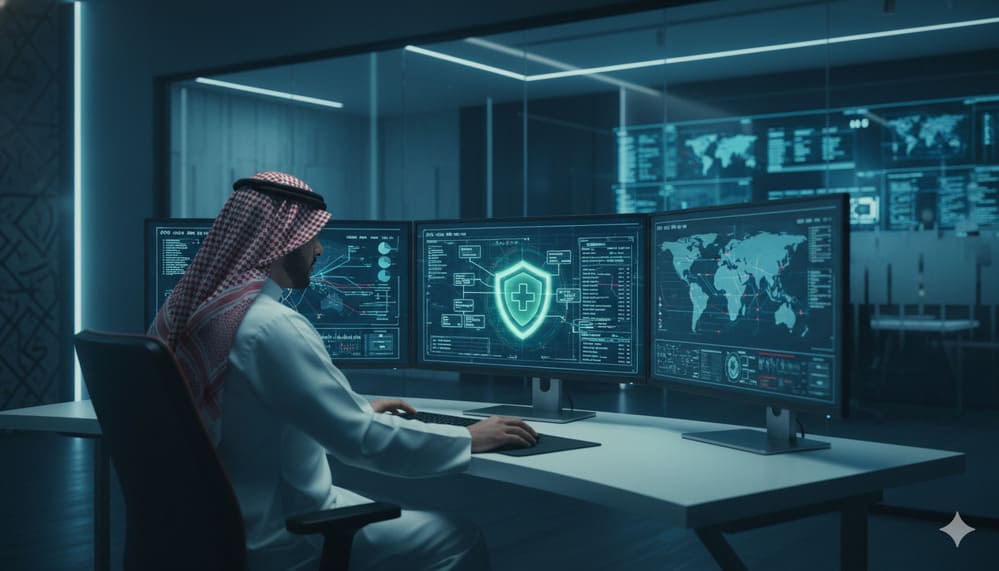
The modern threat landscape has grown in scale and sophistication, carrying operational, financial, and regulatory consequences.
For many organizations, building and sustaining a fully staffed, 24/7 Security Operations Center is resource-intensive. At the same time, the impact of a significant security incident continues to rise. A widening talent gap and increasingly automated attacks have raised the bar for effective defense.
Under these conditions, traditional in-house models are under strain. Managed Security Services have moved from a supplemental option to a structured, strategic approach to sustained protection.
Outsourcing security is not about transferring responsibility; it is about reinforcing it with continuous monitoring, specialized expertise, and operational resilience.
Why In-House Security Alone Is No Longer Enough
Most internal IT teams were not structured to operate as continuous security operations centers. Their scope includes infrastructure, support, upgrades, and transformation initiatives. Security is one responsibility among many.
Sustained protection requires dedicated monitoring, real-time incident response, vulnerability governance, and integrated visibility across environments. Delivering that consistently demands specialized talent and mature operational processes, and both increasingly difficult to build and retain internally.
As digital ecosystems expand, these gaps are no longer occasional. They become embedded in the operating model.
The Strategic Advantages of Outsourcing Security
Managed Security Services introduce structure, specialization, and continuity into environments where internal capacity is often stretched. Instead of building and maintaining a full-scale security operation internally, organizations gain access to established processes, dedicated analysts, and continuously monitored infrastructure.
The advantages are structural:
- Continuous monitoring and response without dependence on internal staffing cycles.
- Access to specialized expertise across threat intelligence, incident handling, and compliance governance.
- Integrated security tooling with centralized visibility and log management.
- Predictable operating costs compared to ongoing recruitment and technology investment.
Most importantly, outsourcing shifts security from a reactive support function to a continuously managed discipline.
Why Healthcare Security Demands Continuous Protection
Healthcare environments do not pause. Clinical systems, electronic records, diagnostic platforms, and billing infrastructures operate continuously. When security fails, it does not simply affect IT performance. It disrupts care delivery.
Healthcare organizations manage highly sensitive data under strict regulatory frameworks. A breach can trigger financial penalties and reputational damage, but operational disruption is often the greater risk. System downtime or restricted access to patient information can directly affect treatment timelines.
At the same time, digital healthcare ecosystems continue to expand through telehealth, cloud platforms, third-party integrations, and AI-enabled tools. Each layer increases connectivity and exposure.
In this environment, security cannot be periodic or reactive. It must be continuous, responsive, and aligned with regulatory governance.
Core Components of a Comprehensive Managed Security Model
A managed security model is defined not by tools alone, but by disciplined, integrated operations. Effective protection requires structured processes that operate continuously across the environment.
At its core, a mature model includes:
- Security Operations Center (SOC): Centralized, 24/7 monitoring and incident coordination.
- SIEM Monitoring and Log Management: Real-time event correlation and centralized visibility.
- Threat Detection and Incident Response: Rapid containment and structured remediation workflows.
- Vulnerability Management and Patch Governance: Continuous risk assessment and prioritized remediation.
- Identity and Access Management: Controlled, auditable access across users and systems.
- Endpoint and Network Protection: Layered defenses across devices, infrastructure, and cloud environments.
How Managed Security Supports Digital Transformation
Digital transformation often advances faster than security models evolve. Cloud migration, system integrations, AI deployment, and multi-site expansion increase agility, but they also increase complexity.
As organizations introduce new platforms and hybrid environments, visibility becomes fragmented and governance more difficult to sustain. What begins as innovation can gradually introduce structural exposure if security controls are not aligned with the pace of change.
A managed security model supports transformation by embedding protection into the operating environment rather than layering it afterward.
It enables:
- Secure cloud adoption with continuous monitoring across hybrid infrastructures.
- Scalable protection as new facilities, users, or applications are added.
- Centralized visibility across distributed environments.
- Governance alignment to support regulatory and audit requirements during expansion.
When security maturity evolves alongside digital growth, transformation becomes sustainable. Managed security ensures innovation progresses without compromising resilience.
How to Choose the Right Managed Security Partner
Selecting a managed security partner is a long-term operational decision. The right partner should strengthen resilience, not add complexity.
When evaluating providers, you should prioritize:
- 24/7 SOC capabilities with documented monitoring and response processes.
- Healthcare and regulated industry expertise with clear compliance alignment.
- Integrated security stack including SIEM, endpoint protection, IAM, and vulnerability management.
- Proven incident response framework with defined escalation and containment protocols.
- Transparent reporting and KPIs for executive-level visibility.
- Scalability to support multi-site growth and cloud expansion.
- Clear governance model outlining roles, responsibilities, and accountability.
- Regional presence and regulatory familiarity where applicable.
Beyond tools and certifications, organizations should assess operational maturity. The partner must demonstrate structured processes, continuous improvement, and alignment with business objectives.
Why Megamind Is the Right Managed Security Partner
For healthcare and enterprise organizations operating in regulated, high-availability environments, security must be continuous and structured. Megamind delivers managed security within an integrated, enterprise-grade framework designed for operational resilience.
Through its comprehensive cybersecurity solutions, Megamind delivers structured capabilities such as:
- 24/7 SOC and NOC monitoring with real-time event analysis.
- SIEM-driven log management and threat detection.
- Vulnerability management and patch governance.
- Identity and access control frameworks.
- Endpoint, network, and cloud security integration.
- DDoS protection, next-generation firewalls, and advanced threat prevention.
Megamind delivers managed security as an operating discipline embedded within enterprise architecture and healthcare transformation.
Build a Security Model That Works 24/7
Elevate your security from reactive oversight to continuous operation. Today’s healthcare and enterprise environments demand structured, uninterrupted protection aligned with governance, compliance, and digital growth. A sustainable model is not built on tools alone. It is built on disciplined operations and accountable execution.
Megamind delivers managed security designed for resilience, scalability, and regulatory confidence, embedded across infrastructure, cloud, and healthcare systems.
Take control of your security operating model! Connect with Megamind to assess your environment and implement a framework built to perform 24/7.
- Predictive Analytics in Saudi Hospitals: Using Data to Save Lives
- How MegaCare Helps Saudi Hospitals Achieve JCI Accreditation
- How to Calculate ROI on Healthcare IT Investments in Saudi Arabia
- Building a Healthcare Data Warehouse for Saudi Hospitals
- Cybersecurity Frameworks for Saudi Healthcare: SAMA, NCA and PDPL Compliance